
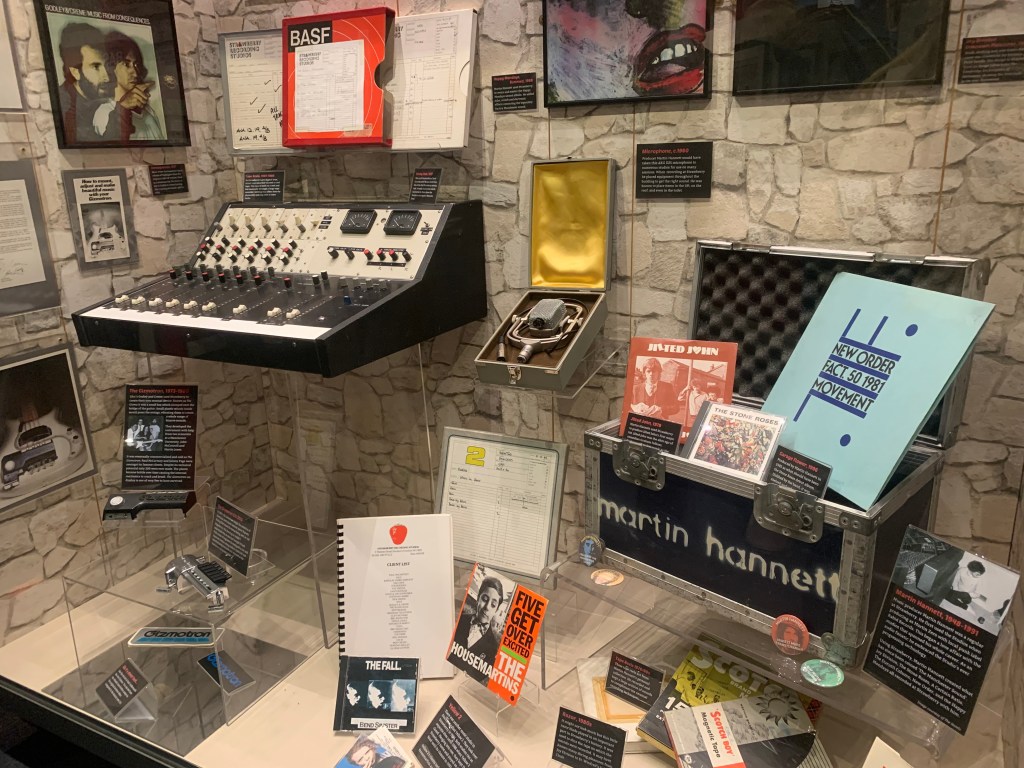
Strawberry Studios in Stockport was one of the finest recording studios in the North of England, which created era-defining records, but the work of their record producers cemented the significance of the studio to Manchester’s rise in pop culture.
Manchester was heralded as one of the music capitals of the world. From the pop culture transformation in the 70s and 80s, other cities and regions looked to Manchester for their music offerings.
Whether that was consuming the musicians signed up to Factory Records from Post-Punk and New Wave or travelling down to the Hacienda for the hedonistic Acid House scene – Manchester led the way.
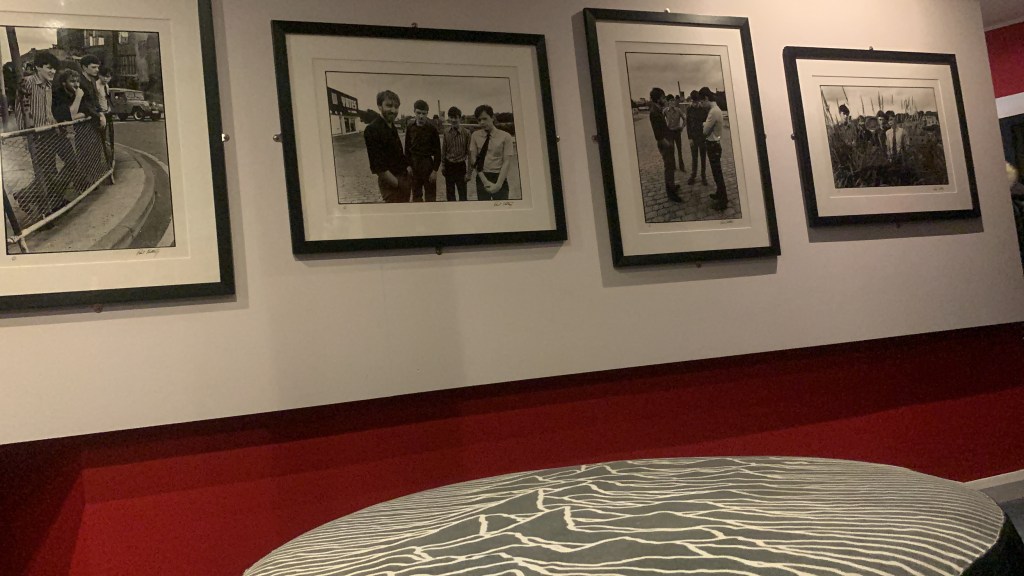
Strawberry Studios welcomed many Mancunian Post-Punk bands
such as Joy Division, Buzzcocks and The Fall.
It stemmed from a group of creatives and assorted musicians who had a DIY philosophy that defined British Punk to resurrect their city, which was blighted by a post-industrial slump. Money that was made from the explosion of culture and music wasn’t pocketed but instead reinvested into the region to provide an alternative for musicians instead of moving to the capital.
In the ’70s and ’80s, London had it all: record labels, management, investment, concert halls and recording studios. But Strawberry Studios in Stockport was that alternative for northern musicians, which has since been etched in legendary status for the significance of Manchester’s music scene.
The region wasn’t short of recording studios during that period. Spirit Studios in Northern Quarter had The Smiths, The Stone Roses, and 808 State use their space, Indigo and Arrow Records were both owned by Greendown, with Buzzcocks and Joy Division recorded there and Suite 16, owned by Peter Hook and Chris Hewitt doubled down as an equipment hiring space, which saw The Stone Roses, Happy Mondays, The Chameleons, The Charlatans come through their doors.
But nothing had a greater cultural significance than Strawberry. They attracted artists outside the region whilst working with some of the greatest sound engineers in the city. Residents of Stockport’s recording studios were Martin Hannett and his right-hand man Chris Nagle, who carved out the sound Manchester became synonymous with – atmospheric drum beats, bass-heavy, spacious urban sound. Their significance to the music scene cannot be overstated.
Hannett is a legendary producer in his own right, as he embraced atmospheric sounds and electronics into his unorthodox recording techniques as he mixed drum sounds and synthesisers, which created a complex and distinctive output. These methods resulted in him being mooted as the creator of ‘The Manchester Sound’ whilst producing era-defining records.
He mainly operated in Strawberry Studios, which was initially opened in 1968 by Stockport Rock group 10cc. It operated as the band’s studio until Hannett became the resident producer in the late 70s until he died in 1991. During that time, he mixed songs by Orchestral Manoeuvres in the Dark, Happy Mondays and A Certain Ratio, making him one of the most sought-after sound engineers away from the capital.
Strawberry became one of the finest professional recording studios outside of London and was used by the likes of The Smiths, The Stone Roses, and Paul McCartney, most notably creating Joy Division’s highly acclaimed debut album Unkown Pleasures, which assured Strawberry’s place in music history, which was awarded a blue plaque in 2007.
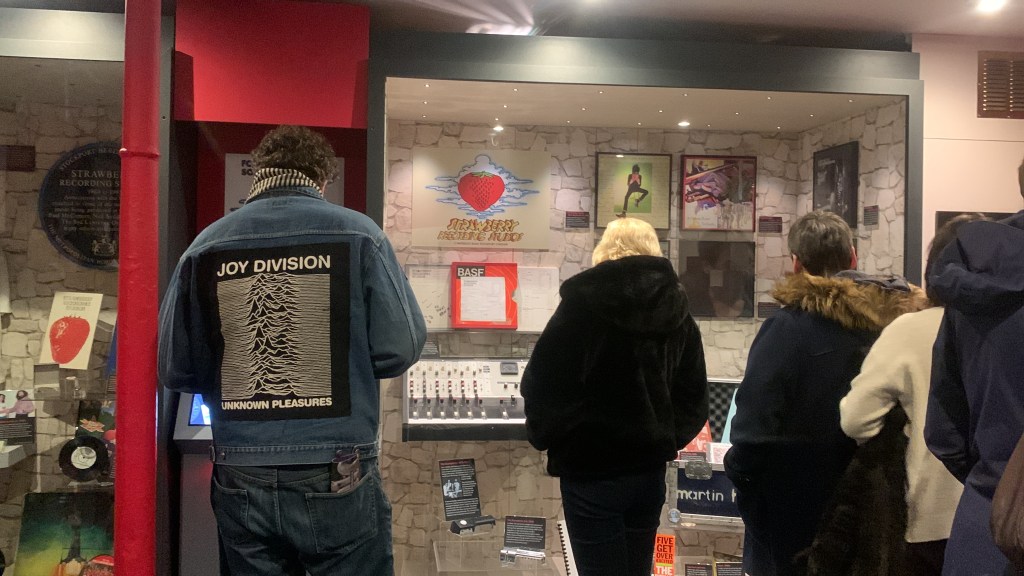
Martin Hannett produced Joy Division’s highly acclaimed debut album Unknown Pleasures in Strawberry Studios
Hannett’s genius brain and madman attitude dominated the recording studio, as he had a tough battle with alcohol and heroin abuse until his death at 42. But his commitment to achieving a track reflective of the band’s heritage and style was paramount.
Bernard Sumner, guitarist for Joy Division and singer for New Order said: “Martin didn’t give a fuck about making a pop record. All he wanted to do was experiment. His attitude was that you get a load of drugs, lock the door of the studio, and stay in there all night, and you see what you’ve got the next morning. And you keep doing that until it’s done.”
33-RPM spoke to Dr Peter Wadsworth, a Strawberry Studios historian who oversaw the rebuilding of the control room and the exhibition on the 50th anniversary of the opening. When speaking about the cultural significance of the studio, Wadsworth said: “ It was in Stockport, which made it unusual because when it opened, every major studio was in London. So the fact it was in the North West made it completely different, and it was a studio run by musicians for musicians.
“It was perfect for Factory and Tony Wilson, who was very vocal in saying how much Factory owed to having Strawberry, and Factory’s producer, Martin Hannett loved Strawberry. He would spend as much time here as possible, so he thought it was great.”
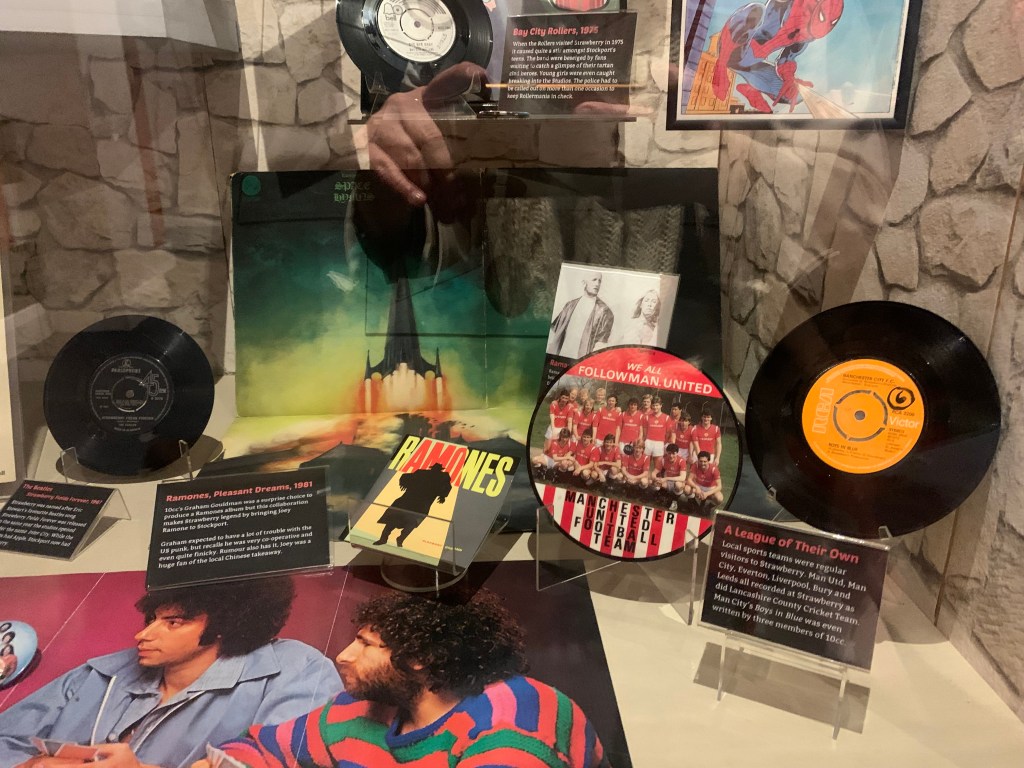
Hannett worked with some of the regions best bands to carve out ‘The Manchester Sound’.
Whilst unorthodox in his recording techniques, Hannett produced incredible results. He told Stephen Morris, drummer for New Order and Joy Division, to play each instrument of the kit individually, and he used the toilets and the goods lift to create different sounds.
“He had an inventive ear, he was an audio alchemist, so he was looking for different sounds out of normal situations. So if he could use a lift shaft just to make it sound different, he would do so. Hannett and Chris Nagel was Strawberry’s history from the 80s onwards.” Wadsworth added.
With many other recording studios in the region, Strawberry was pivotal in ensuring Manchester had a strong musical heritage, something that the historian agreed with: “Without Strawberry, Factory or the Punk bands, Manchester wouldn’t have had a major studio, which meant they would have had to go down south – unthinkable.
“But the fact that 10cc had set up Strawberry in Stockport just gave all those bands that were very Mancunian a place to record, which shows the significance.”
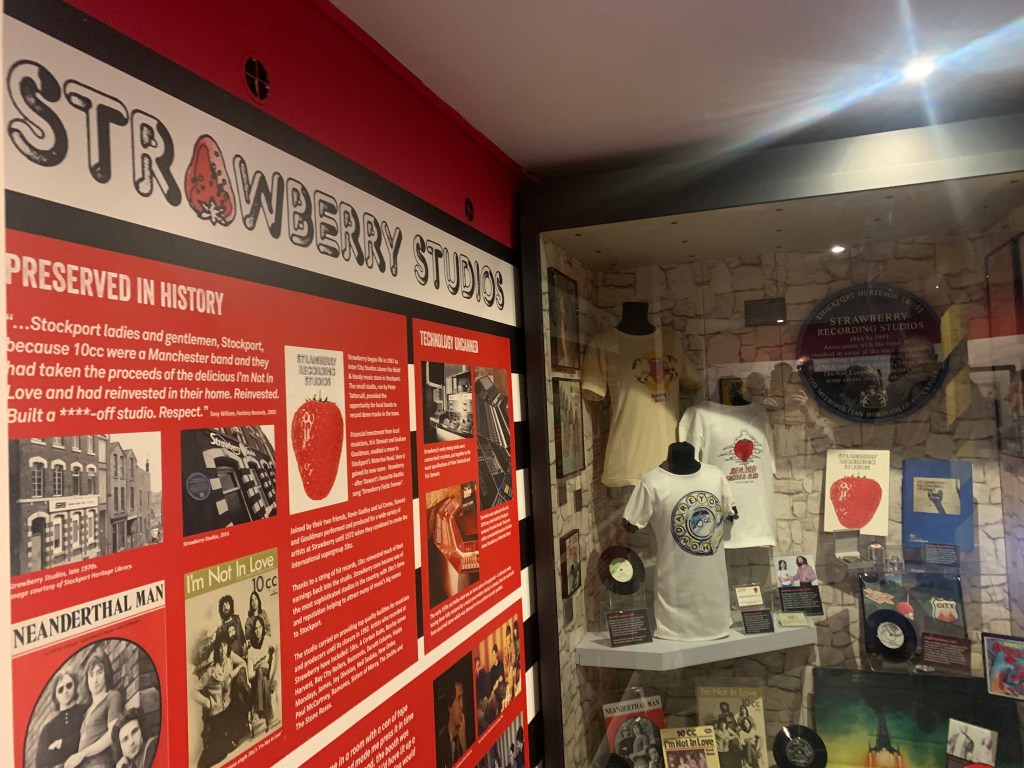
Strawberry Studios has been etched in legendary status in the Manchester music scene which was confirmed by being issued a blue plaque in 2007.
As the Manchester sound evolved into the Psychedelic House, those recording techniques carried out by the unorthodox Hannett and Nagle’s creative genius at Strawberry Studios laid down the foundations for the Madchester era and why Manchester has carved out such a strong music scene.

 33-RPM